
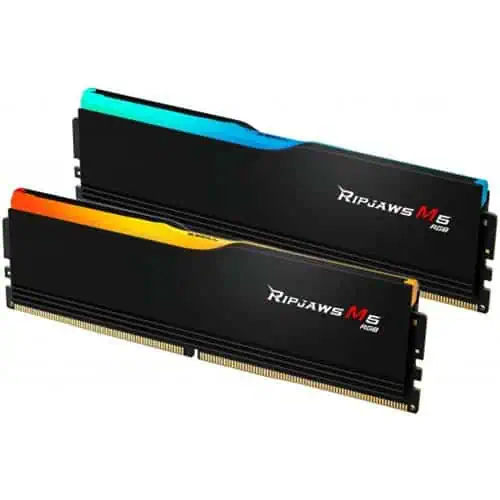
Computer RAM (Random Access Memory) is a crucial component in computing, acting as the system’s short-term memory. It temporarily stores data and instructions that the CPU needs while performing tasks, allowing for quick access and smooth operation of applications and processes. The amount and speed of RAM can significantly impact a computer’s performance and responsiveness.
RAM is a type of volatile memory, meaning it only holds data while the computer is powered on. When the system is turned off, the data stored in RAM is lost. This characteristic makes RAM ideal for tasks that require quick read and write access, as the CPU can retrieve information much faster from RAM than from a hard drive or SSD.
The performance of a computer is often directly related to the amount and speed of its RAM. RAM is measured in terms of capacity, typically in gigabytes (GB), and speed, in megahertz (MHz). Higher capacity and faster RAM enable better multitasking and quicker access to data. This is particularly important for power users who run multiple applications simultaneously or engage in memory-intensive tasks like video editing, gaming, and large-scale data processing.
There are various types of RAM, including DDR (Double Data Rate), DDR2, DDR3, DDR4, and the latest DDR5. Each new generation offers improvements in speed, bandwidth, and energy efficiency. For instance, DDR4 RAM provides faster data transfer rates and greater energy efficiency compared to DDR3, while DDR5 continues this trend with even higher speeds and improved performance metrics.