
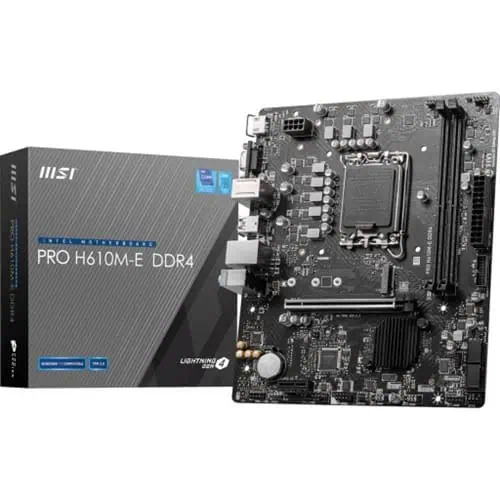

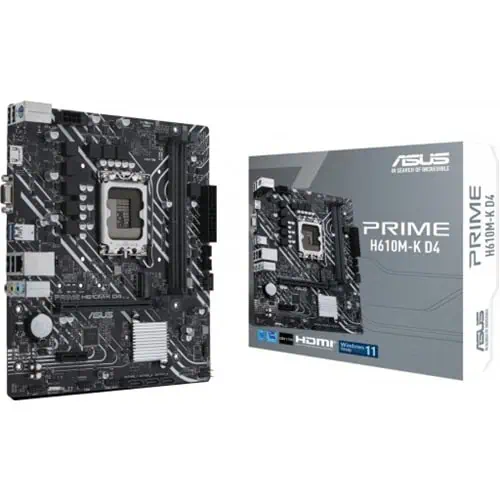
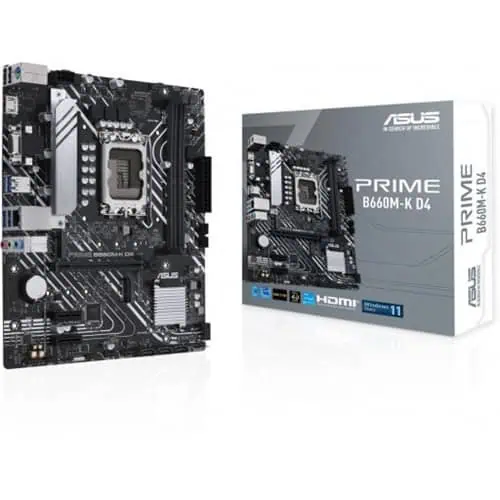
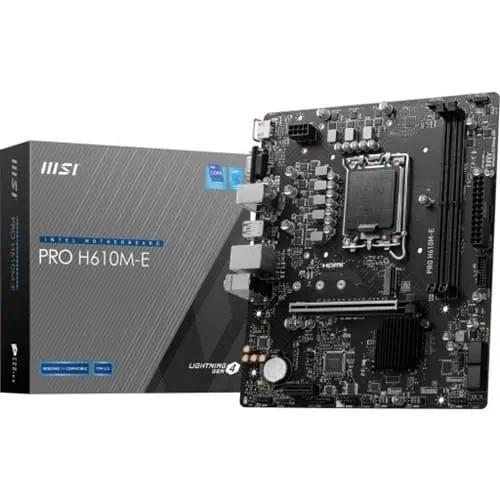

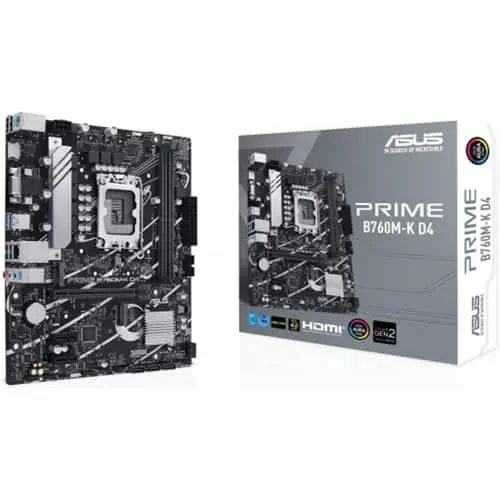


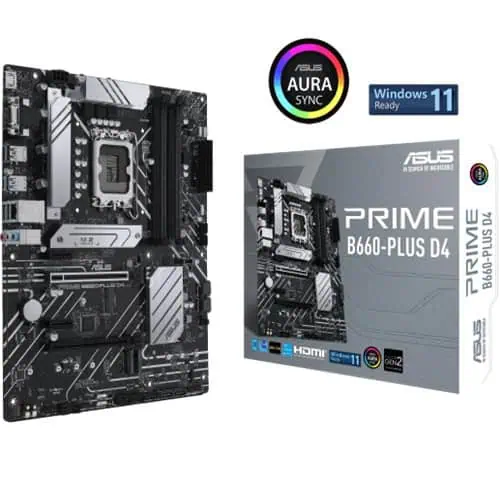

A motherboard is the main circuit board in a computer, serving as the central hub that connects all components and peripherals. It provides the essential pathways and interfaces for communication between the CPU (Central Processing Unit), RAM (Random Access Memory), storage devices, graphics cards, and other hardware components.
Key Components:
- CPU Socket: The motherboard features a CPU socket where the processor is installed. Different motherboards support specific CPU socket types (e.g., LGA1200 for Intel, AM4 for AMD).
- RAM Slots: Motherboards have slots for installing RAM modules. These slots determine the type (e.g., DDR4, DDR5), capacity, and speed of RAM that can be used.
- Expansion Slots: These slots accommodate expansion cards such as graphics cards (GPU), sound cards, network cards, and storage expansion cards (e.g., PCIe slots).
- Chipset: The chipset on a motherboard manages data flow between the CPU, RAM, storage, and peripherals. It also determines features like USB ports, SATA connectors, and support for technologies like overclocking and RAID.
- BIOS/UEFI: Basic Input/Output System (BIOS) or Unified Extensible Firmware Interface (UEFI) is firmware embedded on the motherboard that initializes hardware during startup and provides settings for system configuration.
- Connectors: Motherboards include various connectors for external devices such as USB ports, Ethernet (LAN) ports, audio jacks, video outputs (HDMI, DisplayPort), and storage interfaces (SATA, M.2).
Form Factors: Motherboards come in different sizes known as form factors, such as ATX, micro-ATX, and mini-ITX. Each form factor dictates the physical dimensions and layout of the motherboard, affecting compatibility with computer cases and the number of expansion slots and connectors available.
Choosing a Motherboard: Selecting the right motherboard depends on factors like compatibility with the CPU and other components, desired features (e.g., overclocking support, number of USB ports), and form factor to fit your computer case. Motherboards play a crucial role in determining the overall performance, upgradeability, and functionality of a computer system.